
Rwanda: The Ultimate (2025 – 2026) Travel Destination Africa
April 3, 2025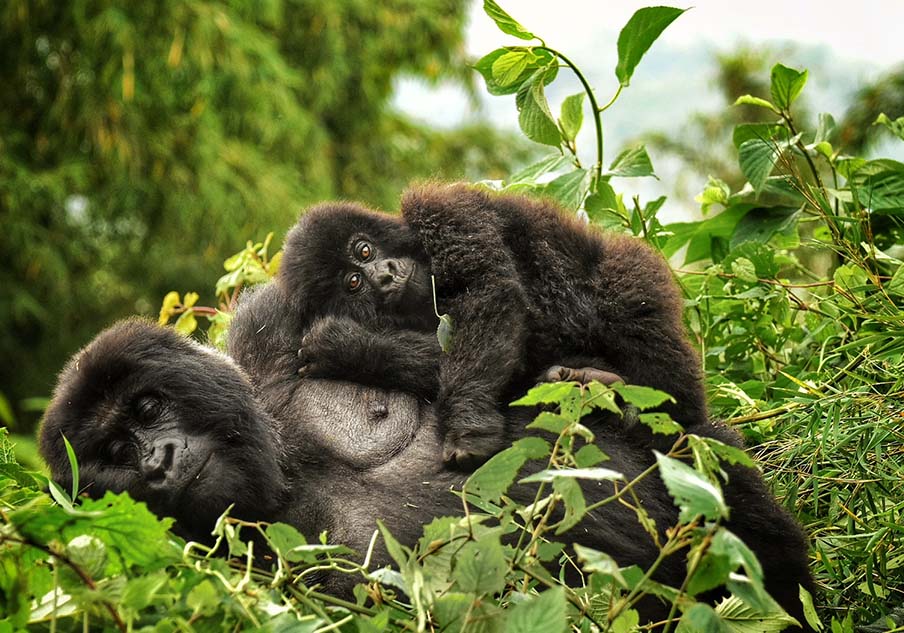
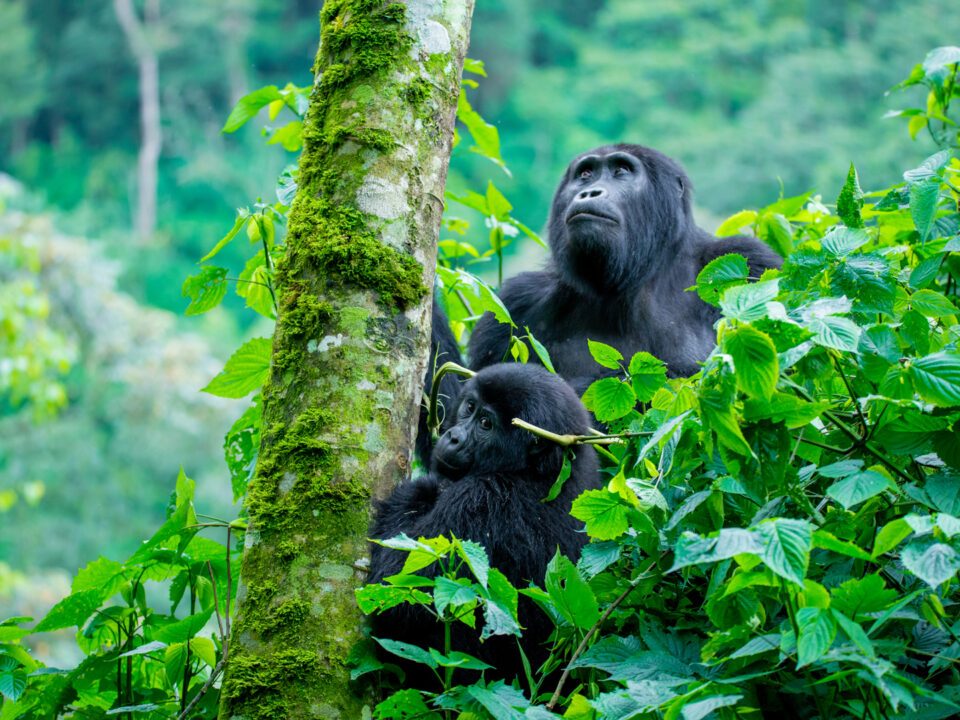
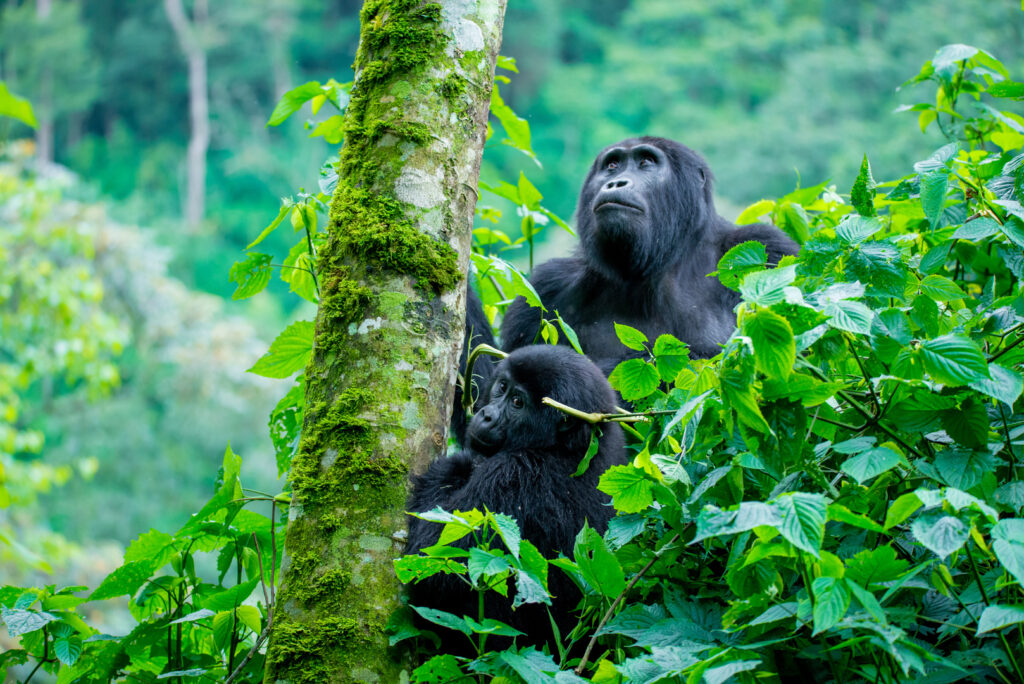
Are you planning to go on a Rwanda gorilla safari? The best times to go is during the dry seasons typically from June to October and December to February. These periods offer optimal gorilla trekking conditions with less rain and clearer visibility making it easier to navigate the trails and spot the gorillas day location in the mist. Hiking is always so doable during dry season and easy to access them in any movement location compared to rainy season where all the trails becomes muddy and slippery.
More so, even though dry or rainy season the rain tropical rain forest are none-predictable as any time it can rain and you are required to come with the hiking boats, rain gears, hut, insect repellent, camera water proof bag to protect your camera and all the travel documents. Therefore, gorilla trekking in Rwanda is done year-round however, rainfall is heavier in September-November and March-May, when paths can become muddy and difficult to hike again so when you are planning your gorilla safari experience in Africa always consider these facts.
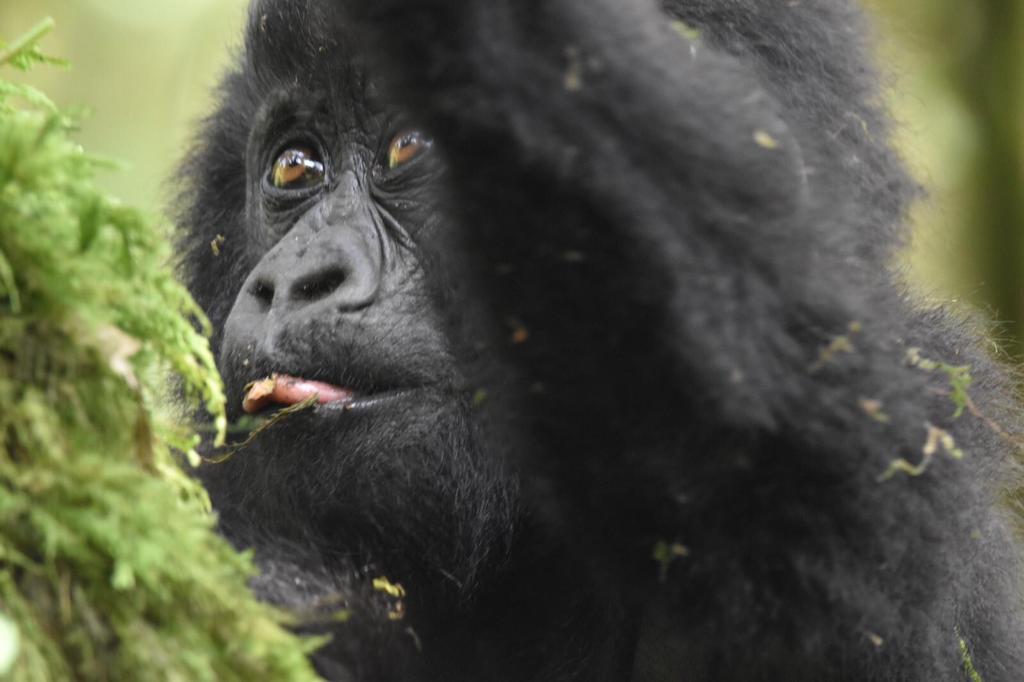
The weather is generally drier and hotter between June and September and again from December to February and these are preferred to be the best months to go gorilla trekking in Rwanda since the trails are not muddy and there is a clear visibility of wildlife. During dry/peak season, lodges tend to be expensive and permits are at high demand and therefore, you are advised to book in advance.
During March to May and again from September to November, you can expect more frequent and heavier rain showers. Muddy roads and paths can become tricky to handle and hence making it difficult to trek through the forest.
It’s better to go on a gorilla trek during the dry season since the paths can be less muddy, easier to trek and you will get clear views of wildlife. However, during dry seasons, gorilla trek safaris tend to be more expensive due to high demand.
On the other hand, some travelers especially those on budget like visiting in the wet season. During wet season, hotels have low occupancy and hence giving travelers discounted food and sleeping services which is an added advantage. Also, there is low demand for gorilla permits which guarantee visitors a chance to see these endangered species with no competition.
From June to September, this is the peak season and the longest dry period in Rwanda offering the best conditions for gorilla trekking with less rain and mud. From December to February, this is the shorter dry season and is also a good time for gorilla trekking as the trails are drier and less crowded than the peak season. From March to May and October to November, gorillas can still be trekked/seen but the trails can be more challenging due to mud and slippery conditions.